There is an interesting imbalance in how we think about building efficiency. When an organization considers a retrofit, equipment upgrade, or new technology, the investment is carefully examined. What will it cost? What will it save? How long will it take to pay back?
Maintaining the status quo rarely receives the same scrutiny.
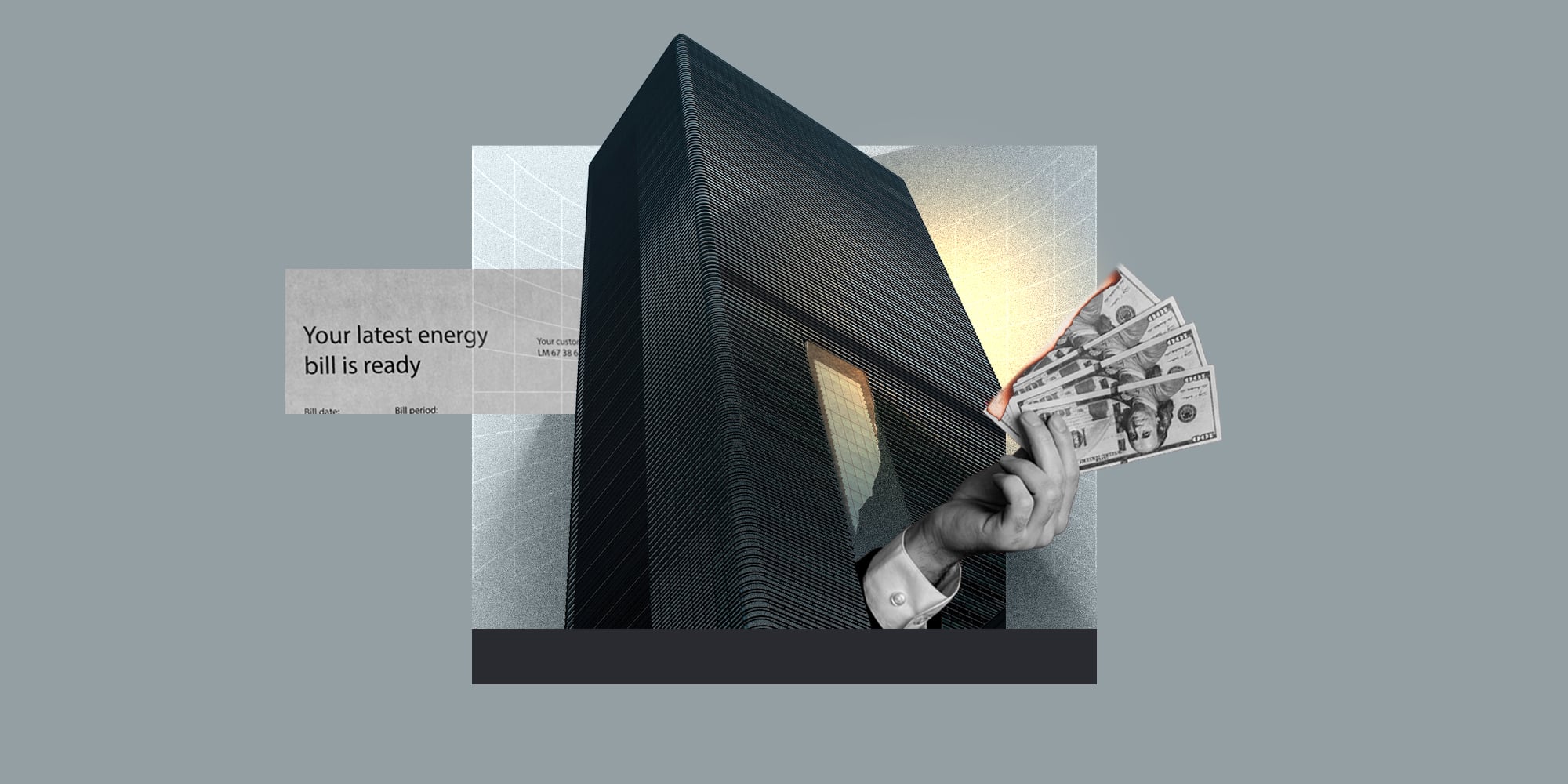
Doing nothing can feel like the least expensive option because there is no new line item attached to it. But buildings are already consuming energy every day and not all of that energy is being put to good use. The U.S. Department of Energy estimates that, on average, 30% of the energy used in commercial buildings is wasted.
The cost of that inefficiency isn't limited to today's utility bill. Over time, current performance can become the reference point for what comes next: budgets are built around it, targets are measured against it, and a certain level of consumption starts to feel normal.
That's where the status quo becomes particularly powerful.
When consumption becomes an assumption
Baselines are useful. They help organizations understand consumption, track progress, and compare performance over time.
But historical consumption tells us what a building used. It doesn't necessarily tell us what the building needed to use.
Consider what can change while a baseline stays the same. Occupancy patterns shift. Spaces are used differently. Equipment ages. Weather varies. Operating hours evolve. The conditions that produced yesterday's energy consumption are not fixed.
That means a building can perform better than its historical baseline and still have room to improve. It also means two buildings with similar consumption can have very different opportunities depending on how, when, and why that energy is being used.
The distinction is important. A baseline is a reference point. It isn't necessarily a definition of good performance.
Hiding in plain sight
Once we stop assuming historical consumption represents what a building inherently needs, a different question emerges: how much energy would this building actually require if its existing systems were operated more efficiently?
Better performance doesn't always begin with new equipment. There is considerable ground between business as usual and a major retrofit, and much of it starts with optimizing the systems already in place.
This is where building data becomes more valuable than a monthly total. Understanding performance in context can help teams see how energy use relates to changing conditions such as weather, occupancy, schedules, and the behavior of building systems.
AI can add another layer by helping teams evaluate those relationships continuously and support more adaptive operational decisions. Rather than relying solely on historical patterns or fixed assumptions, operators can make decisions based on what a building needs as conditions change.
That doesn't eliminate the need for capital investment. In fact, better operational visibility can help clarify where new equipment or larger upgrades may ultimately deliver the most value.
Optimization and capital planning don't have to compete. One can make the other more informed.
Doing nothing is still an operational decision
There will always be reasons to wait. Capital is limited. Teams have competing priorities. Equipment still has useful life. And when a building is functioning as expected, improving its performance can understandably feel less urgent than fixing something that isn't.
But waiting doesn't put energy consumption on hold.
The building keeps operating. Utility bills keep arriving. And whatever inefficiency exists today has the opportunity to become tomorrow's cost, too.
That's what makes the status quo worth examining more closely. We often think of inaction as the absence of an investment. In reality, organizations are already investing in the performance of their buildings every day, through every dollar spent to operate them.
The question is what they're getting in return.
A building doesn't have to be broken to be costing more than it should. The same scrutiny applied to the cost of changing a building should also be applied to the cost of continuing to operate it as it is.
Because energy waste isn't a future expense waiting to happen.
It's one you're already paying for.