Canada's National Artificial Intelligence Strategy, AI for All, reflects a larger shift, from discovering AI to putting it to work.
Not long ago, artificial intelligence (AI) felt like a future technology.
Today, it's becoming part of everyday life.
AI is helping people write emails, summarize reports, generate images, analyze data, and answer questions in seconds. What was once a niche technology, discussed primarily by researchers, has become a mainstream topic in boardrooms, classrooms, and kitchen-table conversations.
In many ways, AI has arrived.
Canada's new AI for All strategy reflects that reality. It outlines a vision for helping Canadians benefit from AI by fostering trust, encouraging adoption, and building the skills and infrastructure needed to participate in an AI-driven economy.
At its core, the strategy recognizes that AI's impact will be determined not only by the technology itself, but by how effectively it is adopted and applied across society. It also acknowledges an important reality: enthusiasm for AI exists alongside legitimate concerns about its broader implications. As AI becomes more integrated into everyday life and work, concerns regarding trust, governance, economic impact, and long-term stewardship will play an increasingly important role in shaping its future.
Beyond the prompt
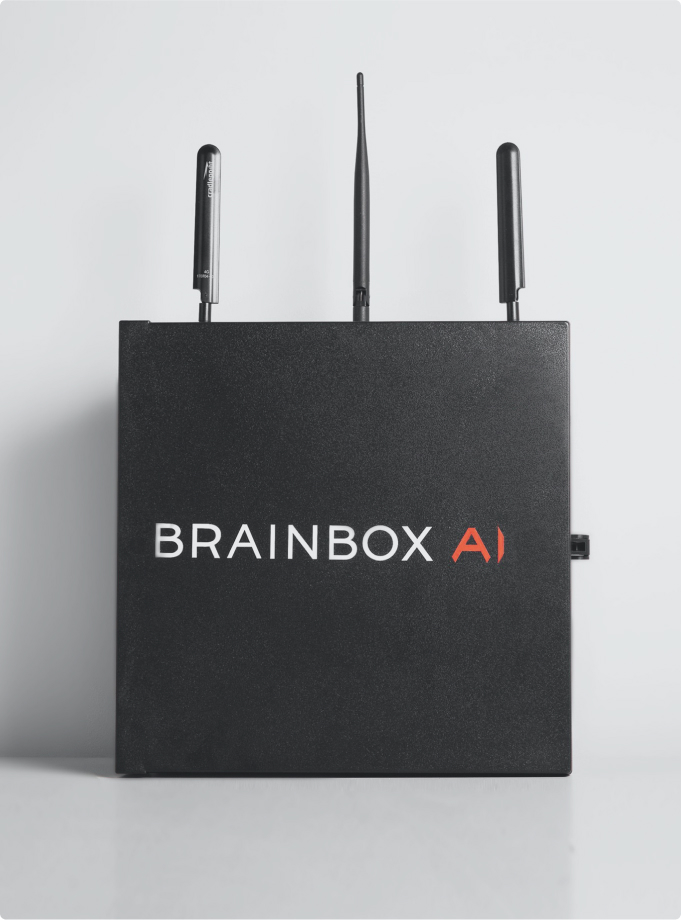
While much of today’s discussion around AI is focused on chatbots, content generation and digital productivity, BrainBox AI has spent nearly a decade exploring a different frontier: applying artificial intelligence to the complex processes behind building operations.
"People often talk about AI as if the breakthrough is the technology itself. From our experience, the breakthrough comes later, when AI becomes something people trust enough to rely on every day. At BrainBox AI, we've spent nearly a decade putting that idea into practice by improving building performance, reducing energy consumption, and helping the people who operate buildings work more effectively. That's why the AI for All strategy’s focus on adoption resonates so strongly with me." – Jean-Simon Venne, President, Founder, & Chief Technology Officer at BrainBox AI
The conversation around AI is evolving into a new phase, focused not only on what the technology can do, but on how we can harness its full potential to create meaningful value across diverse domains.
Applying AI in the real world
Industries continue to explore how intelligent solutions can support the systems that power everyday life for everyday people. Buildings are a powerful example of that. Building operators, like HVAC technicians, are constantly managing equipment performance, occupancy patterns, weather conditions, energy use, maintenance requirements, and comfort expectations, often simultaneously. These environments are complex, interconnected, and constantly changing. The challenge isn’t always a lack of data, it's making sense of it all in real time so the right information reaches the right people at the right moment. By helping building owners and technicians focus their attention where it matters most, AI enables organizations to identify patterns, streamline workflows, and ease some of the pressure created by labor shortages.
This is where the national strategy becomes especially relevant. Its emphasis on adoption recognizes that AI creates value when it's applied to real-world challenges like these.
Adoption requires trust
The AI for All strategy also recognizes something equally important: adoption depends on trust.
Organizations need confidence that intelligent systems are reliable, transparent, and aligned with their goals. In our context, it means that technicians need visibility into recommendations and the ability to apply their own expertise and judgment. Leaders need governance frameworks that support responsible deployment at scale.
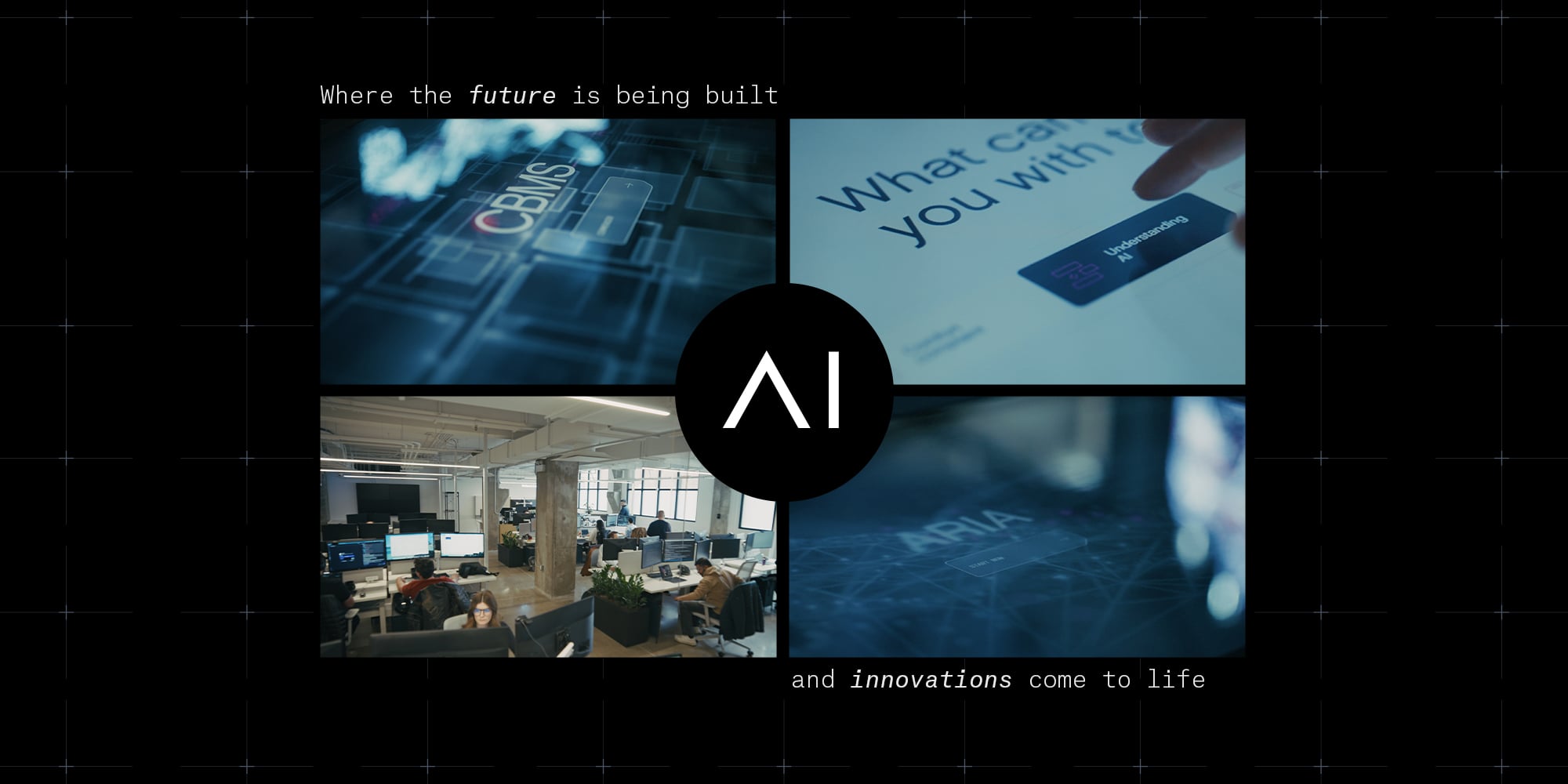
One of the lessons BrainBox AI has learned from deploying AI in HVAC across the world is that adoption often begins with confidence. People need to understand how a system works, why recommendations are being made, and where human oversight continues to play a role. As AI becomes more integrated into everyday operations, organizations are looking for ways to move beyond abstract conversations and explore how AI works in practice. That desire for greater transparency and understanding is reflected in initiatives like the recently opened BrainBox AI Trane Technologies AI Lab & Showroom, designed to help make AI more visible, understandable, and accessible through an immersive experience that showcases tangible results.
The new normal
Canada has established itself as a leader in AI research and innovation. The opportunity now is to lead in adoption.
That means applying AI where it can create meaningful value. It means helping organizations improve operations, support decision-making, strengthen infrastructure, and address challenges that extend far beyond the digital world.
"The most interesting thing about AI is that, eventually, we won't think about it as AI anymore. The technology is advancing at an incredible pace, but its greatest success will be when it becomes an expected part of how the world works. We'll think about it the same way we think about electricity or the internet: something that's simply expected to make everything else work better. That's the transition Canada is beginning to plan for through its new strategy." – Jean-Simon Venne, President, Founder, & Chief Technology Officer at BrainBox AI
Because ultimately, AI for All is not just about making AI more accessible. It's about making AI more useful.
For years, BrainBox AI has been working towards that future, and Canada's new strategy suggests we're not the only ones thinking that way anymore.