
What’s next for AI in HVAC: Highlights from AHR 2026
The conversations at AHR Expo 2026 made one thing clear: the expectation around AI application is expanding from capability alone to proven credibility, real-world data and performance that operations teams can rely on.
From February 2nd to 4th in Las Vegas, more than 1,800 exhibitors and 50,000 attendees gathered for the world’s largest HVACR trade show, AHR Expo. Emerging products and technologies were showcased, compared, and pressure-tested by the people who design, manage, and invest inbuilding operations every day.
Kicking off the event, Omar Tabba, Vice President of Product at BrainBox AI, presented his keynote, The Future is in the Cloud, to a packed room and the discussion carried well beyond the final slide. What stood out, as he noted throughout the week, was how quickly conversations moved into operational detail. The focus was on performance inside live buildings and on how intelligent systems support facilities teams’ day-to-day.
After three full days of live demos, industry sessions, and plenty of “how does this work for me?” moments, here is what we took away.
Credibility through compatibility
If there was one consistent thread across conversations, it was this: AI, data, integration.
The most common question was direct and practical: “how does this connect to my legacy BMS?”
That question reflects real-world constraints such as aging infrastructure, cybersecurity concerns, and the simple reality that new technology has to work with the systems already in place. The depth of those discussions revealed that AI is no longer being evaluated as a concept, it is now being held to the same standards as core building systems like HVAC and BMS platforms. Compatibility and clarity now define credibility and if intelligent systems cannot operate within existing frameworks without disruption, adoption slows.
Time is the real pressure point
Another theme surfaced repeatedly: time. Time spent reviewing alarms. Time digging through trend logs. Time manually adjusting setpoints across multiple buildings. The unfortunate truth is that facility teams are stretched thin within the HVAC industry, and buildings generate more data than teams can realistically process without additional support.
“People weren’t just asking what the technology does,” said Emily Martis, Director of Product Management at BrainBox AI. “They were asking what it takes off their team’s plate. When you’re juggling multiple buildings, even small time-savings make a big difference. Because those small gains give teams space to breathe.”
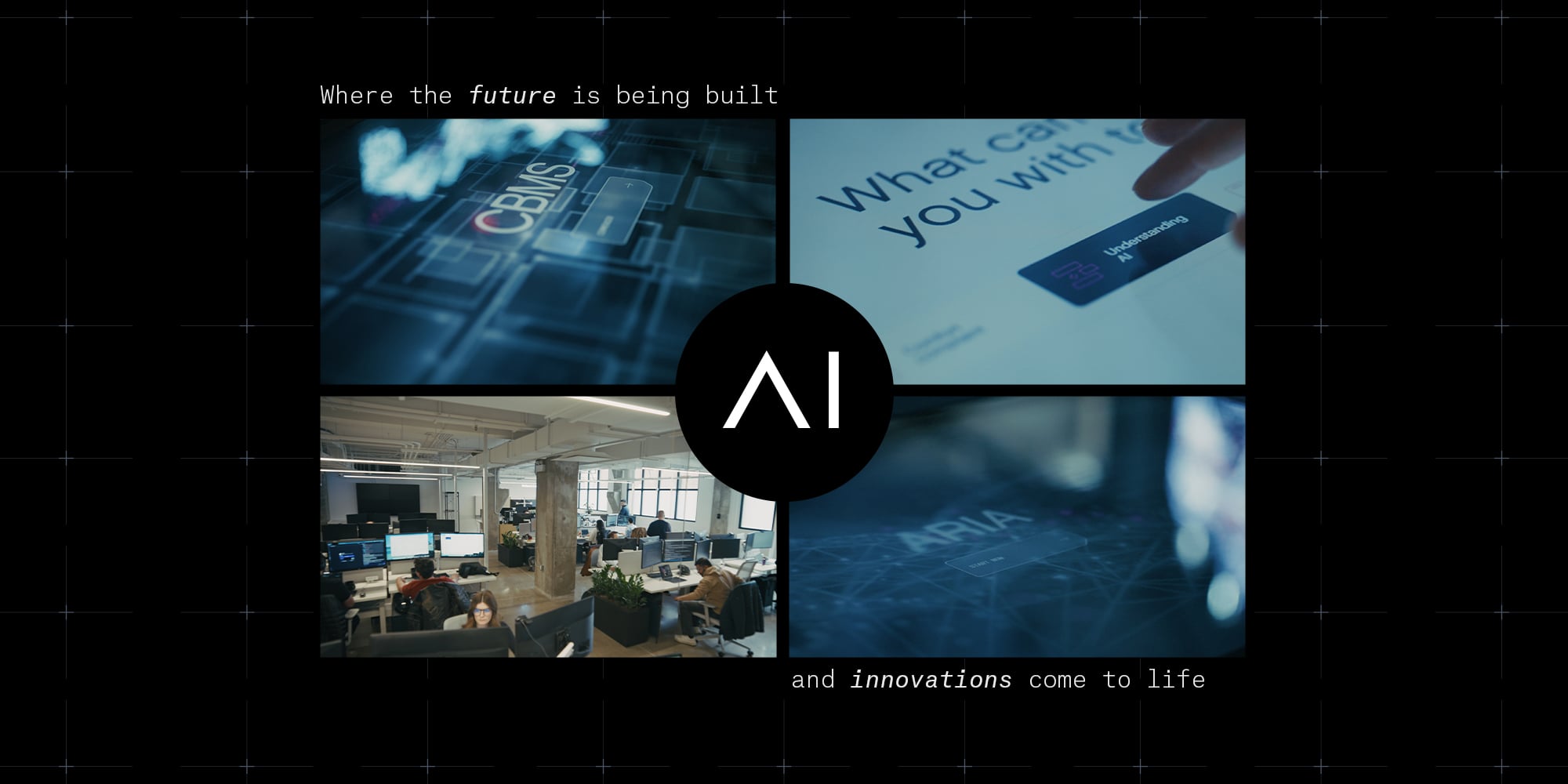
This labor-constraint reality was one of the key components to Omar’s presentation we referenced at the start, which highlighted the consolidation of data across portfolios and the simplification of operations through BrainBox AI’s Cloud BMS solution. At its core, the conversation kept returning to time and how intelligent systems can support teams by reducing manual workload without removing human oversight.
Transparency is no longer optional
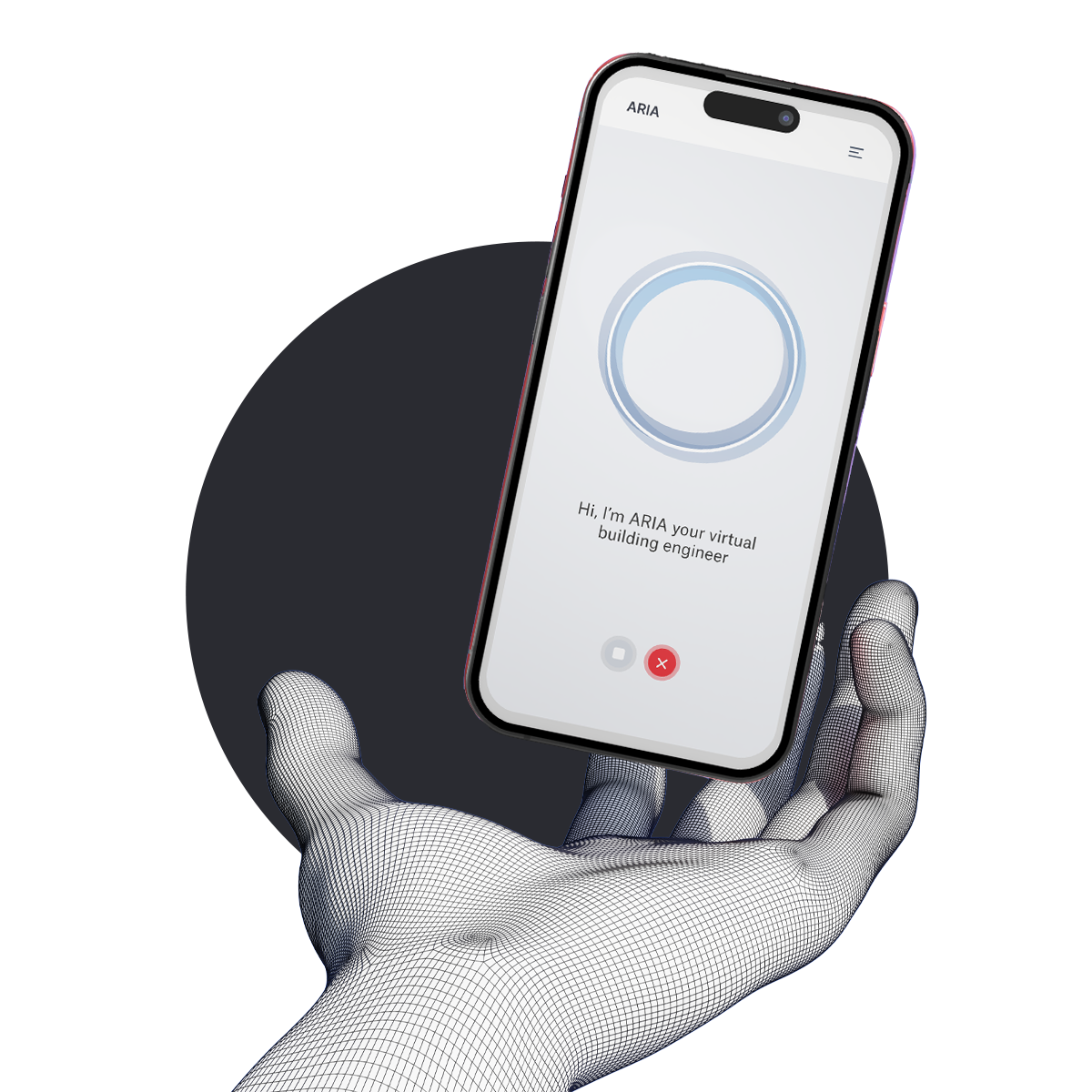
Simplifying operations is only part of the equation. Technicians and operators also need visibility into how AI systems arrive at recommendations. At AHR, BrainBox AI’s virtual building engineer, ARIA, brought that visibility to light. Attendees stepping into live scenarios and interacting directly with the AI agent through a conversational interface grounded in real building data. The demo did more than show what recommendations were made, it showed why they were made – all while keeping the human in control.
“The real shift this year was how fast people moved to real-use,” said Omar Tabba, Vice President of Product at BrainBox AI. “Most people didn’t need the big-picture pitch, they already understood the general concept of AI. What they really wanted was to see it in action, working in a real building. When you can demonstrate live stability and explainability, that’s when the conversation gets interesting.”
The industry is no longer impressed by dashboards alone, the focus has shifted to measurable change at the equipment level and sustained results over time.
Performance must remove the guesswork
Las Vegas is built on probability and risk. Building operations are not.
Building operators are not willing to gamble on theoretical gains. They require measurable performance, secure integration, and results that hold up in live environments.
The excitement around AI’s application in HVAC was unmistakable. But excitement alone does not drive adoption. And although AI in HVAC is not new, that doesn’t mean everyone is ready to plug it in.
“We’re seeing a strong familiarity with AI across the industry, but it was clear that familiarity doesn’t always mean readiness. At the end of the day, it comes down to trust. And like anything in life, trust isn’t automatic – it’s built over time. In HVAC, that means seeing how it fits into your building and watching it deliver real results.” – Todd Brinegar, Commercialization Leader at BrainBox AI.
As industry understanding grows, so does scrutiny. Objections around compatibility and concerns about loss of control are addressed not through promises, but through transparency, integration, and human-centered design.
Facility teams are often short on staff, and our products are designed to simplify their day, not complicate it.
AHR 2026 reflects a maturing market
AHR Expo 2026 reflected a maturing market, one that is asking harder questions and expecting better answers.
The next phase of building intelligence will belong to solutions that are stable in existing environments, transparent indecision-making, and built to not disrupt day-to-day operations.
As the built environment faces mounting pressure to improve efficiency and reduce emissions, intelligent systems must strengthen human decision-making and accelerate responsible performance gains.
Leadership in this space will not be defined by how often AI is mentioned. It will be defined by how responsibly, securely, and practically it is deployed.
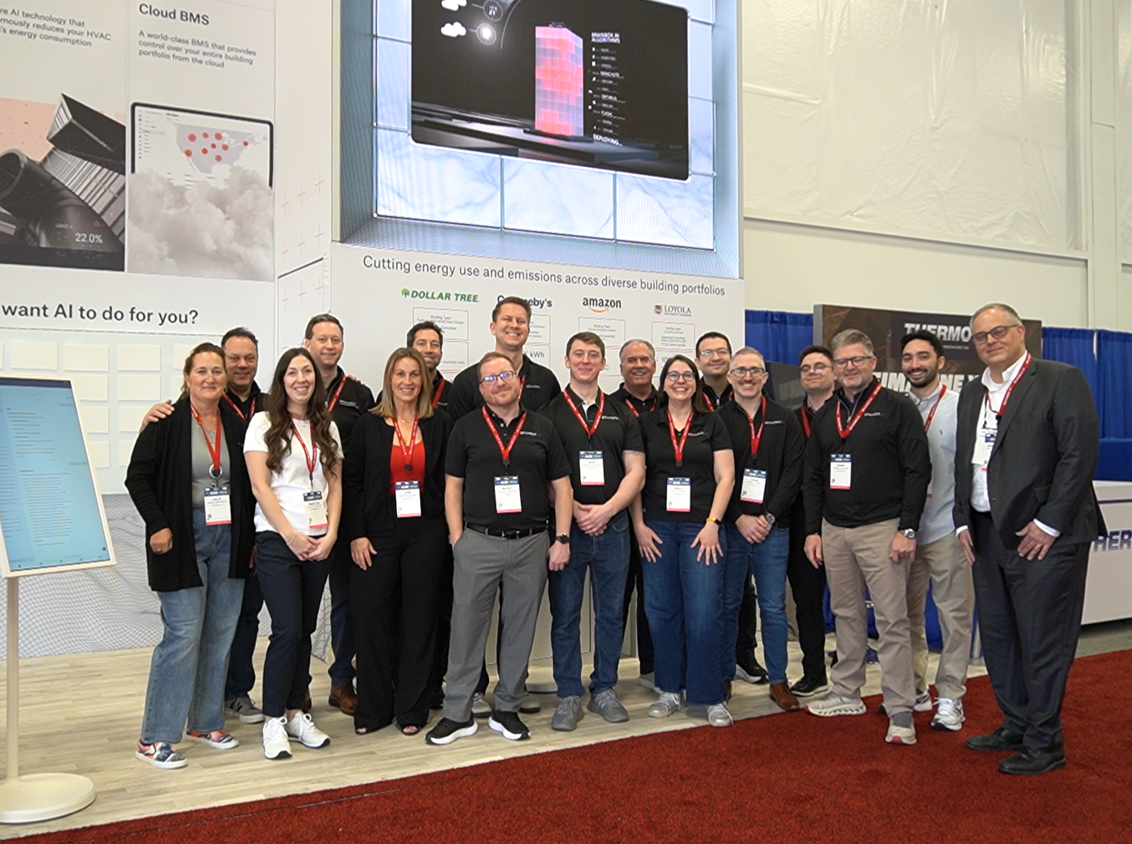
Pictured: Front row (L-R): Julie Hardesty, Rebecca Handfield, Erin Groleau, Blake Standen, Jack Schofield, Emily Martis, Chris Cianci, Frank Sullivan
Back row (L-R): Patrick Pinkerton, Aaron Franczyk, Josh Mullen, Bryan Conklin, Todd Brinegar, Omar Tabba, Alaric Venne, Chris Hum, Jean-Simon Venne
Learn how BrainBox AI solutions can optimize your building’s operations.